
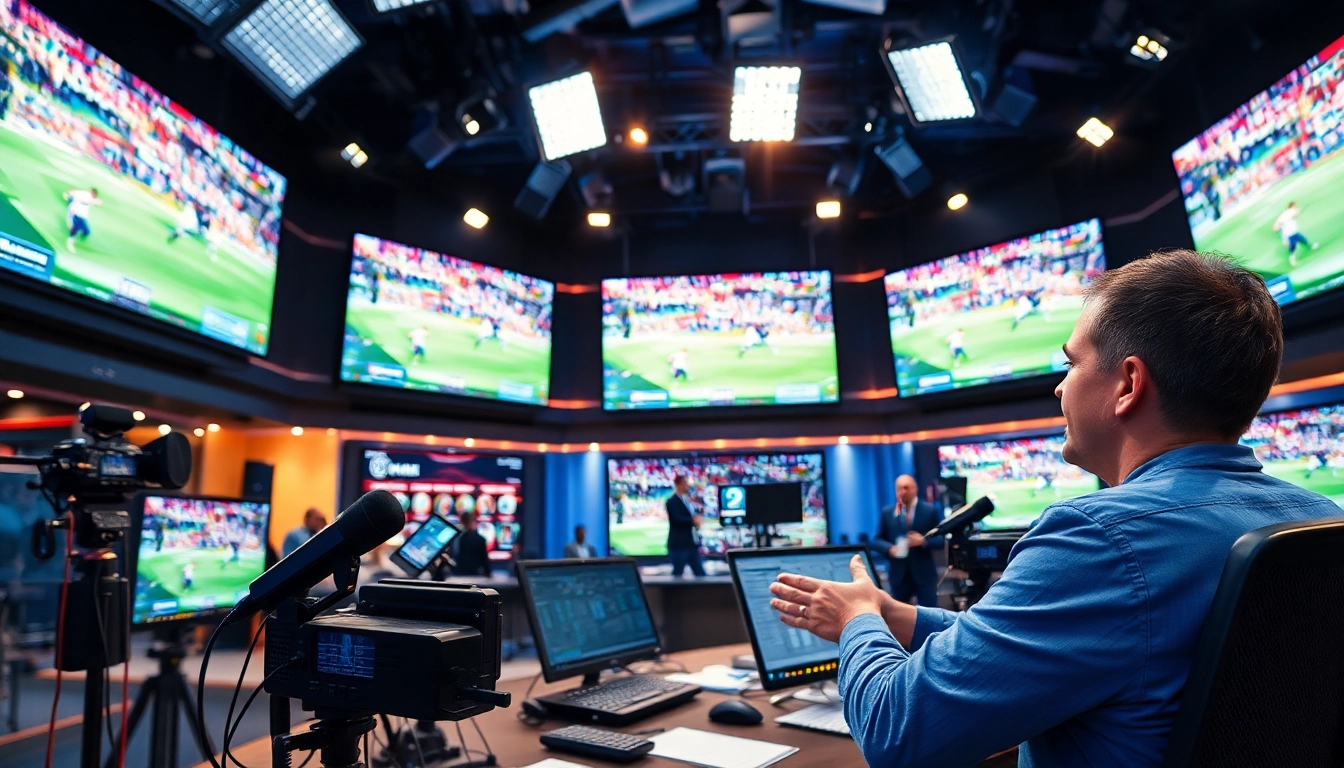
Understanding the Landscape of Sports Broadcasting
Sports broadcasting is a dynamic field that allows fans to connect with their favorite sports and events, no matter where they are. As the media landscape evolves, the methods of delivering sports content have changed significantly. With advancements in technology and shifts in audience preferences, sports broadcasting encompasses a range of platforms and formats. In the current paradigm, Sports Broadcasting isn't just about television; it includes live streaming, social media snippets, and podcasts, all aiming to engage diverse audiences.
Key Elements of Sports Broadcasting
At its core, sports broadcasting combines several essential components that create a holistic viewing experience for audiences. These elements include live coverage, commentary, analysis, and post-event discussions.
- Live Coverage: Real-time broadcasts provide immediate access to the game, ensuring fans don’t miss any action.
- Commentary: Skilled commentators bring excitement and insights, enhancing the viewing experience through expert analysis.
- Analysis: In-depth breakdowns and post-game analyses serve to contextualize events, helping viewers understand strategies employed in the game.
- Viewer Interaction: Engaging with the audience through live polls, Q&A sessions, and social media interactions enriches the experience and fosters community.
The Evolution of Broadcast Technologies
The technological landscape of sports broadcasting has undergone transformative changes. Traditional broadcast methods have largely been supplanted by innovative technologies that allow for enhanced viewing experiences. Key milestones in this evolution include:
- Transition to Digital: The shift from analog to digital broadcasting enabled higher quality visuals and sound, enriching the spectator experience.
- High Definition and 4K: With the advent of HD and 4K technology, viewers experience crisper images and better detail, making it feel as if they are right in the stadium.
- Mobile Streaming: The rise of smartphones and tablets allows fans to watch games on the go, facilitating a more flexible viewing experience.
- Interactive Features: Technologies such as second-screen apps allow viewers to engage with real-time stats while watching the game.
Impact of Digital Platforms on Sports Broadcasting
Digital platforms have reshaped how audiences consume sports content. With the proliferation of streaming services, fans are no longer reliant on traditional cable packages. Some of the significant impacts include:
- Accessibility: Fans can access a wide range of sports events without geographical limitations, broadening the reach of sports programming.
- On-Demand Content: Viewers can watch replays and highlights at their convenience, which enhances engagement with the content.
- Social Media Influence: Platforms like Twitter and Instagram serve as crucial tools for real-time interaction during live games, amplifying viewers' excitement.
- Targeted Advertising: Digital platforms allow for data-driven advertising, enabling personalized ad experiences based on viewer preferences and behavior.
Challenges in Sports Broadcasting Today
As much as the sports broadcasting industry is evolving, it faces several challenges that broadcasters must navigate to remain competitive and relevant. The landscape is fiercely competitive, with various stakeholders vying for viewership.
Rights Management and Licensing Issues
Securing broadcasting rights remains one of the most significant challenges in the industry. Each sport and event has unique licensing requirements, which can lead to complex negotiation processes. Issues faced include:
- Cost of Rights: The expense of buying broadcasting rights for major sporting events has escalated, making it difficult for smaller broadcasters to remain afloat.
- Complex Licensing Agreements: These agreements can often involve multiple parties and stipulations, complicating the dissemination of content.
- Global vs. Local Broadcasts: Navigating the differences in rights management across countries can pose significant operational challenges.
Navigating Audience Engagement Challenges
With attention spans dwindling, particularly among younger audiences, engaging viewers is more critical than ever. Challenges include:
- Content Saturation: The sheer volume of content available makes it challenging for broadcasters to stand out.
- Varied Viewer Preferences: Understanding diverse audience needs and interests can be complex, particularly when targeting multiple demographics.
- Retention Rates: Maintaining audience attention throughout an entire game or event has become increasingly difficult, demanding creative strategies.
Coping with Competition from Streaming Services
The emergence of streaming services has transformed the competitive landscape significantly. Key aspects of this challenge include:
- Subscription Models: Many viewers are gravitating towards subscription-based models, causing traditional broadcasters to rethink their strategies.
- Content Exclusivity: Streaming services often acquire exclusive rights to high-profile sports events, further fragmenting the audience.
- Quality of Experience: Streamers typically prioritize user experience and interface, offering seamless viewing opportunities that challenge traditional broadcasters.
Best Practices for Effective Sports Broadcasting
To excel in the competitive sports broadcasting landscape, organizations need to employ best practices that foster innovation, engagement, and viewer loyalty. Here are several best practices that can elevate a broadcast:
Utilizing Multi-Platform Strategies
Embracing a diversified approach to broadcasting increases reach and engagement. Suggestions include:
- Cross-Platform Promotion: Promote content across social media, traditional media, and streaming platforms to reach a broader audience.
- Tailored Content: Adjust the presentation style based on the platform, ensuring it resonates with users specific to each channel.
- Engaging Highlights: Create shareable highlight reels designed specifically for social media consumption to drive engagement.
Leveraging Data and Analytics
Data-driven decision-making is critical in understanding viewer preferences and optimizing broadcasts. Effective strategies include:
- Viewership Analytics: Use analytics tools to track viewership patterns and identify peak engagement periods.
- Feedback Mechanisms: Implement surveys and polls to gather viewer feedback to inform future content strategies.
- Performance Metrics: Regularly review performance metrics to enhance content delivery and audience understanding.
Enhancing Viewer Experience through Innovation
Continuous innovation is paramount to keep viewers engaged and satisfied. This can involve:
- Interactive Features: Integrate interactive features such as real-time stats, fantasy sports elements, and live chats into broadcasts.
- Enhanced Visuals: Utilize advanced graphics and augmented reality to provide viewers with additional information during broadcasts.
- Personalized Viewing Experiences: Allow users to choose camera angles or commentary styles to create a more tailored viewing experience.
Future Trends in Sports Broadcasting
As the industry continues to evolve, several trends are likely to shape its future. Understanding these trends is essential for broadcasters aiming to stay relevant and competitive.
The Rise of Interactive Broadcasting
Interactive broadcasting is set to redefine how audiences engage with sports content. Developments to watch include:
- Viewer Participation: Fans may have opportunities to influence certain in-game elements or outcomes through live polls.
- Gamification: Integrating game-like elements into broadcasts can enhance viewer engagement and loyalty.
- Real-Time Analytics: Providing real-time statistics and allow viewers to make decisions based on this data enhances involvement.
Blockchain and its Role in Rights Management
Blockchain technology has the potential to revolutionize rights management in sports broadcasting. Notable applications include:
- Secure Transactions: Blockchain can provide secure methods for managing rights and licensing, reducing disputes.
- Transparency: Enabling transparent tracking of content ownership can help streamline rights negotiations.
- Direct Viewer Transactions: Viewers can directly purchase content via blockchain, cutting out intermediaries.
Augmented and Virtual Reality in Sports
The use of AR and VR is becoming more prevalent in sports broadcasting, enhancing viewer immersion. Future possibilities include:
- Simulated Experiences: Virtual reality can provide fans with lifelike experiences, placing them in the midst of the action.
- Augmented Stats: Augmented reality overlays can provide contextual information during live broadcasts for richer viewing.
- Spectator Engagement: Implementing AR features in stadiums can enhance in-person experiences, allowing fans to access real-time data seamlessly.
FAQs about Sports Broadcasting
What is Sports Broadcasting?
Sports broadcasting is the distribution of sporting events and related content, allowing viewers to watch live games through various media channels.
How does streaming affect traditional sports broadcasting?
Streaming services increase competition by offering on-demand and flexible viewing, often with exclusive rights, challenging traditional broadcasters to adapt.
What technologies are shaping the future of sports broadcasting?
Augmented reality, virtual reality, and blockchain are emerging technologies set to transform how sports are consumed and managed.
How can broadcasters increase viewer engagement?
Implementing multi-platform strategies, using data analytics, and enhancing viewer experiences through interactivity can significantly boost engagement.
What are common challenges faced by sports broadcasters?
Common challenges include managing rights and licensing issues, competing with streaming services, and adapting to evolving audience preferences.